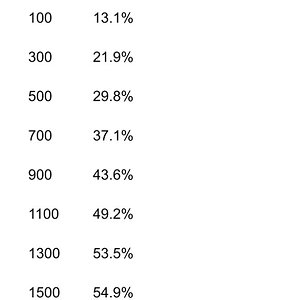
Actual routes were studied prior to implemention with carriers stopping at every address daily for a period of 30 days. The coverage was never 100% at any time. We knew that the gps or the programing was an issue. Almost 300 routes were tracked. Not a single one received 100% coverage for the time frame. I believe the best route was ~92% in a San Ramon area. But, most were in the low 70's.
They absolutely knew the system was gamed and implemented anyways.
I have to say, this thread is giving me PTSD flashbacks to those early days of RRECS!
Ok, as I recall from that time, Coverage Factor was perplexing and controversial from the very beginning, and there were a lot of different theories that were floated as to why some carrier percentages were so low. There was a belief that the GPS signals in certain areas were too weak, perhaps due to geographic features (hills, mountains, valleys, etc), to pick up all of a carrier's stops. There was also a belief that carriers might not be stopping long enough at a mailbox to register the stop. I remember sitting in a meeting and hearing one of the national officers tell us to stop at each box, count to three, and look both ways before proceeding to the next box (believe me, I rolled my eyes
hard at that suggestion). In my own experience, I knew a lot of low coverage factor percents were due to carrier error: in the beginning, a lot of us just forgot to enter saturation coverages, so, in my mind at least, that explained the low percents.
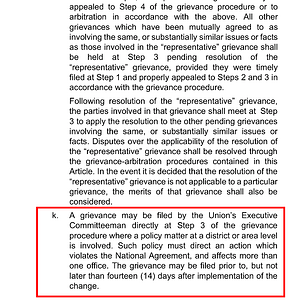
Anyway, fast forward three years, and the union's contentions in the Step 4 grievance on this issue are really stunning to read. What we were told about how the system was capturing data was wrong, they knew it was wrong, and they didn't take steps to correct it.




 routes and bad cell service have screwed carriers by a LOT since RRECS has been in effect... will this Step 4 address that???? Probably not .. NRLCA should have been on these issues BEFORE RRECS was implemented, not YEARS afterwards..


 , get eval... Any questions???? Oh, the computer said it's right, so it must be... that's your answer...